Garage door safety inspection in North Jersey and Central Jersey
A 12 point check of the whole door system, from spring tension and cable condition to photo eyes and the auto reverse test.
What this covers
A garage door is the largest moving part of most homes and the only one that closes on its own. The inspection runs through it point by point: spring tension and balance, cable and roller condition, track alignment, hinge and bracket fastening, opener force limits, photo eye alignment, the auto reverse test, the emergency release and the weather seal. Every finding is reported in writing, with an estimate for anything worn so the decision can be made on paper rather than at the door. The visit takes place at your property by appointment at any hour, across Bergen, Essex, Hudson, Middlesex, Morris, Passaic, Somerset and Union counties.
- Spring tension, balance test and spring condition
- Cable condition, drum seating and roller wear
- Track alignment, hinge integrity and bracket fastening
- Opener force limits and travel limits
- Photo eye alignment and the auto reverse test
- Emergency release function and weather seal condition
The 12 points, grouped into four layers
The points are checked in the order the door carries load, from the springs at the top of the system to the reversal test at the floor.
Every point is written down as passed or flagged, and a flagged point comes with an estimate so the decision is made on paper rather than at the door.
- 01 · Springs and the shaft Tension read through the balance test, coils, cones and bearings inspected A spring near the end of its life is the finding that prevents the loud failure, and drifted balance sits behind half of all opener complaints
- 02 · Cables, drums and rollers Cables followed strand by strand to the drums, wraps compared, every roller spun Three broken strands are invisible from the driveway, and they are how a door drops one side without warning
- 03 · Tracks, hinges and brackets Tracks plumbed and run for kinks, hinges checked for cracks, brackets and handles checked for tight fasteners A bottom bracket that pulls free under load lets the cable and the bottom section travel together, which is the failure the door's own warnings are about
- 04 · Opener, photo eyes and reversal Force and travel limits verified, eyes aligned, the reversal test run, the release cycled, the seal inspected A door that fails the reversal test is left in a safe state and quoted on the spot, because an unconfirmed reversal is the finding that matters most
What people want to know before booking
How the auto reverse test works
The test is the standard the whole safety system is held to: a block of wood is laid flat in the door's path and the door is closed on it. A door set correctly reverses on contact, and a door that does not has a force limit opened too far or a reversal system failing. The same test is repeated with the photo eye beam broken mid close, and both results go in the written findings.
The emergency release and why it matters
The red cord on the opener rail disconnects the door from the opener so it can be moved by hand during a power cut or an emergency. It is pulled with the door closed, because releasing a door under spring tension part way up puts its full weight in your arms. The inspection confirms the release engages and re engages cleanly, and demonstrates it to anyone who has never used it.
What an inspection finds that you cannot see
The parts that fail first sit high on the system and fail quietly: a cable with three broken strands where it wraps the drum, a hinge with a hairline crack at the stem, a lag screw that has worked a quarter turn out of a soft header. From the driveway the door looks and sounds fine. These are found with the door parked and the parts in hand, and they are the findings that prevent the loud failures.
How often a door should be inspected
A door in daily use does well with one full inspection a year, and a door that has just come through a winter of salt, storms and heavy use is a good candidate for the first warm week of spring. An inspection is also worth booking after any incident: a car that kissed the door, a door that came down harder than usual, or a cable that made a noise it has stopped making.
The twelve points, in the order they are checked
The inspection starts where the danger and the wear both start, at the springs. Tension is read through the balance test with the opener disengaged, the coils and winding cones are inspected for gaps and wear, and the shaft and its bearings are checked for play. Spring findings are recorded with the door's weight, because a spring is right or wrong only relative to the door it lifts.
The load path comes next: cables strand by strand to the drums, wraps compared left to right, and every roller spun and checked for flat spots and play. Then the guidance system, which is the tracks plumbed and run for dents and kinks, the hinges checked for cracks and worn bores, and the bottom brackets and lift handles checked for fasteners that have loosened.
The electrical and safety layer is last, and it is the layer you use every day: opener force and travel limits verified against the door as it runs today, photo eyes aligned and their wiring checked, the auto reverse test run on a block of wood, the emergency release cycled, and the weather seal inspected along the bottom.
Twelve points produce a short list on a sound door and a useful list on a tired one. Either way you get the same thing: each point marked passed or flagged, the flagged ones explained in plain words, and an estimate attached to anything that needs work so the decision is made calmly rather than at the moment of failure.
The balance test and what it tells you
The balance test is the heart of the inspection and it takes a minute. The opener is disengaged, the door is moved by hand to about half travel and let go. A balanced door stays where it is left, a door that falls is spring light, and a door that rises is spring heavy.
Both conditions are worth knowing about for different reasons. A door that falls is the door whose opener is working outside its design on every close, and the one that will bend a bottom panel the day someone lets it drop. A door that rises is the one that drifts open on its own and wears at the opener's brake.
Balance is also the test that catches the slow failures. Springs lose tension gradually, and a door that has grown heavy over months rarely announces it; the owner just stops noticing the opener working harder. The balance test turns that drift into a finding, and the estimate can price the correction while the door is still running.
Photo eyes, force limits and the auto reverse test
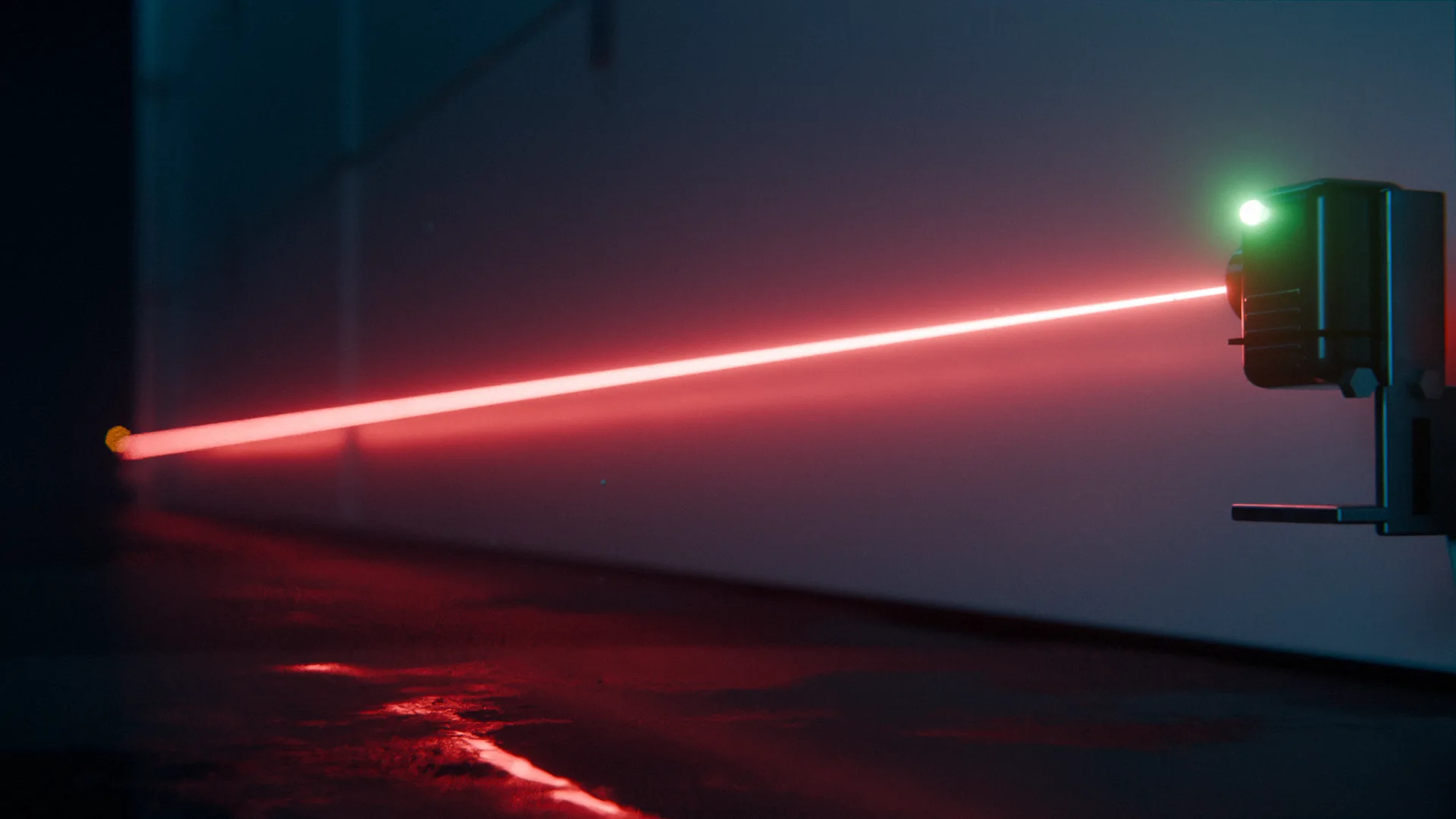
Safety standards require a closing garage door to reverse when it meets an obstruction, and the two devices that deliver it are the photo eyes near the floor and the force limit inside the opener. One sees what is in the way and the other feels it, and both are tested rather than assumed.
The photo eye test breaks the beam while the door closes and requires the door to reverse. The contact test lays a block of wood flat in the path and requires the same. A door that passes the beam test but fails the contact test has a force limit opened too far, which is the setting most often adjusted by someone tired of a door that would not close.
Where a test fails, the door is left in a safe state and the fix is quoted on the spot. The failure that matters most is the quiet one: a door whose reversal works slowly enough that it would still press on whatever is under it. That is the reason the test is run with a soft object rather than trusted from how the door sounds.
What the written findings contain
Each of the twelve points is recorded as passed or flagged, and a flagged point carries three things: what was found, why it matters and what it costs to correct. A cable with broken strands, for example, is flagged with the side of the door it is on and an estimate to replace the pair rather than the single cable.
The estimate is written before anyone leaves, and it does not change at the door. Findings that need monitoring rather than money are labeled that way, because an inspection is not a sales call and a sound door should get a short report.
The report is also a record for the future. A door whose spring specification, weight and balance setting are written down starts its next service from a known point, and a landlord or a buyer can see the condition of the door on paper rather than take it on faith.
When to book an inspection
Once a year is the sensible rhythm for a door in daily use, and the seasons give the natural date: the first warm week after a winter of salt and storms is when the wear of the cold shows up in cables, seals and balance. A door that has been quiet and heavy since January is the door the inspection is for.
An inspection is also the right call after any incident, however small it looked. A car that touched the door, a storm that dropped a branch across the tracks, or a door that came down harder than it should have are all moments when the parts that bent are the ones you cannot see.
And it is the right call before a house changes hands. An inspection before a sale or a purchase turns the largest moving part of the property from a question into a report, and it is a small line in a closing list that prevents the kind of surprise that arrives as a wedged door and a trapped car.
Frequently asked questions
Question 1: How much does a safety inspection cost?
No price is published on the site, because an inspection is quoted the same way as the rest of the work: a written estimate before anything begins, with nothing added at the door. Where the inspection flags a worn part, the estimate for that repair comes with the report so the two decisions are made together.
Question 2: How often should my garage door be inspected?
Once a year suits a door in daily use, and after any incident that touched the door: a vehicle bump, a hard stop, or a door that started behaving differently. A door that opens four or more times a day is working harder than that rhythm assumes and does well with a check twice a year. The findings report tells you what interval your door earned.
Question 3: Can I test the auto reverse myself?
You can, and it takes a minute: lay a block of wood flat on the floor in the door's path and close the door with the opener. The door should reverse on contact, and it should also reverse when the photo eye beam is broken mid close. If either test fails, stop using the opener to close the door and book the correction, because that setting is the one standing between the door and whatever is under it.
Question 4: What fails an inspection most often?
The common flags are the quiet ones: a force limit opened too far for the door as it runs today, photo eyes drifted out of alignment, a cable with broken strands at the drum, and balance that has drifted with the springs. None of them stop the door from running, which is why they are found by inspection rather than by listening.
Question 5: Do you serve my town?
Inspections are offered across Bergen, Essex, Hudson, Middlesex, Morris, Passaic, Somerset and Union counties, at homes and at commercial properties, by appointment at any hour. The visit happens at your garage and the findings are handed over in writing before anyone leaves. Send your town with the inquiry and the visit is scheduled from there.
Question 6: Is an inspection worth it on a new door?
Yes, because new installations settle. Tracks take their first compression, fasteners find their final tightness, and the balance can drift a little as the springs seat in their first months. An inspection after the first year catches that while everything is still new, and it sets the written baseline the following years are measured against.
Question 7: What is the emergency release cord for?
It disconnects the door from the opener so the door can be opened and closed by hand during a power outage or an emergency. It is meant to be used with the door closed, because releasing a door part way up puts its full weight in your arms. The inspection confirms the release works in both directions and shows you how it behaves before you ever need it in the dark.
Where we do this
We cover eight counties across North Jersey. All services are performed at your home or business.
- Bergen County70towns
- Essex County23towns
- Hudson County12towns
- Middlesex County25towns
- Morris County39towns
- Passaic County16towns
- Somerset County22towns
- Union County21towns
Towns we cover
- Hackensack, NJ
- Paramus, NJ
- Fort Lee, NJ
- Newark, NJ
- Montclair, NJ
- Livingston, NJ
- Jersey City, NJ
- Hoboken, NJ
- Bayonne, NJ
- Edison, NJ
- Woodbridge, NJ
- New Brunswick, NJ
- Morristown, NJ
- Parsippany-Troy Hills, NJ
- Madison, NJ
- Paterson, NJ
- Clifton, NJ
- Wayne, NJ
- Bridgewater, NJ
- Basking Ridge, NJ
- Somerville, NJ
- Elizabeth, NJ
- Summit, NJ
- Cranford, NJ