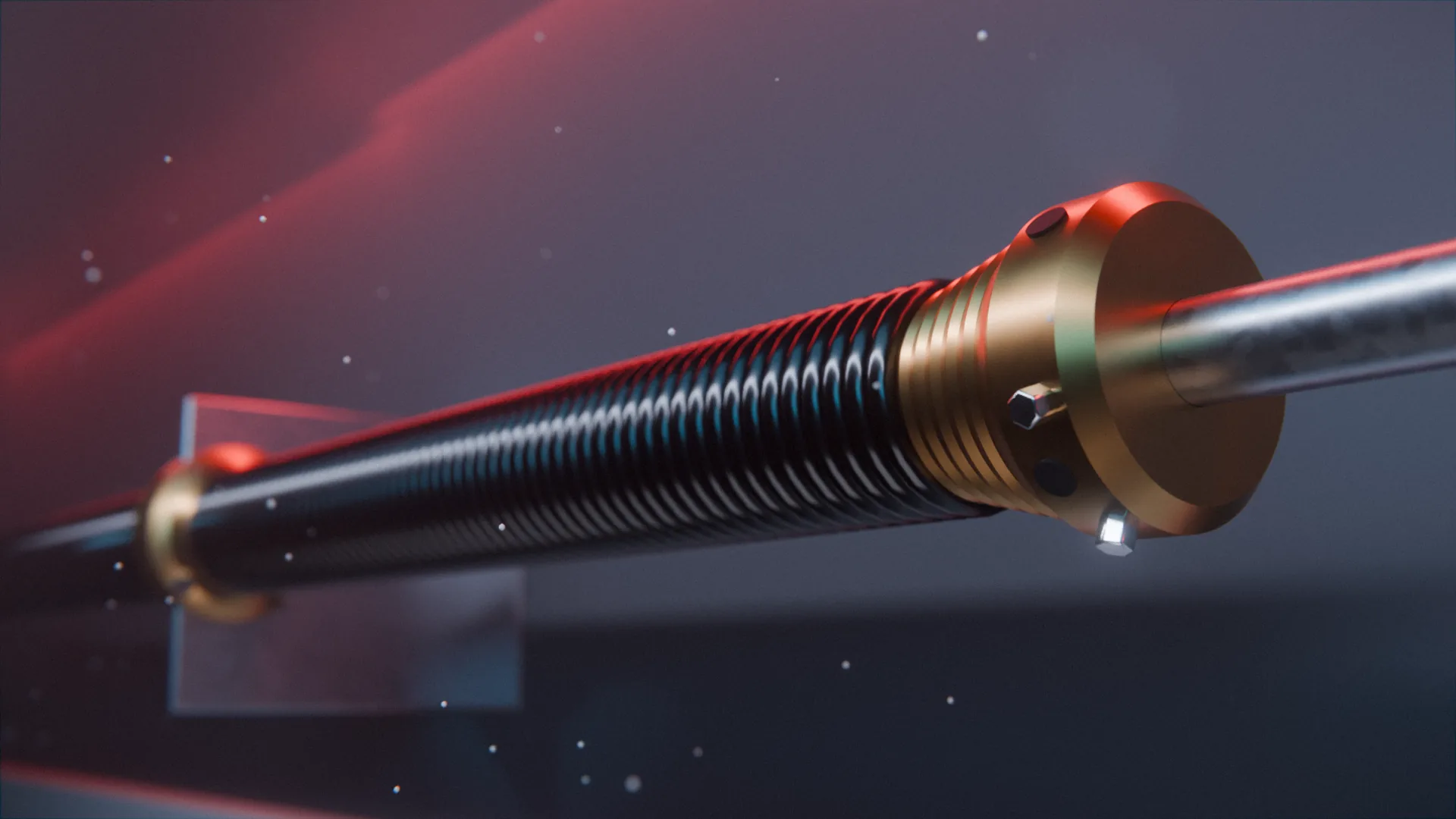
Garage door spring replacement in North Jersey and Central Jersey
Torsion and extension springs replaced as a pair, sized to the door's weight and wound with calibrated winding bars.
What this covers
Springs carry the full weight of the door on every cycle, and they are the parts most likely to fail. Torsion springs sit on a shaft above the door and extension springs run along the horizontal tracks at each side, and both types are replaced with springs matched to the weight of the door rather than to whatever was on it before. Both springs are replaced as a pair, because a spring is a wear part and its partner has done the same work. Winding is done with calibrated bars seated fully in the winding cones, by appointment at any hour across Bergen, Essex, Hudson, Middlesex, Morris, Passaic, Somerset and Union counties.
- Torsion spring replacement on single and paired shafts
- Extension spring replacement with containment cables
- Springs sized to the measured weight of the door
- Cycle rated, oil tempered springs
- Broken spring removal, shaft cleaning and hardware check
- Balance setting and a full cycle test at the end of the visit
What a spring replacement covers, layer by layer
A spring is sized before it is wound, and wound before the door is balanced. Each layer depends on the one before it.
The winding is the part of the job that needs the tools and the sizing is the part that needs the arithmetic. Both are done before the opener is reconnected.
- 01 · Door weight and spring sizing Door weight measured, wire size, inside diameter and length read off the old springs Springs matched by eye instead of by weight leave a door heavy at the floor and quick at the top, and they spend their rated cycles early
- 02 · The springs themselves Oil tempered, cycle rated springs fitted as a matched pair on a clean shaft A new spring beside a tired one carries the tired one's share of the load, and the door runs out of level until the second side fails
- 03 · Winding hardware Calibrated bars seated fully in the cones, springs wound to a calculated turn count A bar that slips out of a cone releases the spring's full stored torque in one turn, which is what makes winding the dangerous step of this trade
- 04 · Balance and hardware Door released at half travel, turns adjusted until it holds, cables and drums re seated A door released out of balance slams down or drifts up, works its cables off the drums and makes the opener fight every cycle until it fails
What people want to know before booking
The loud bang from the garage
A torsion spring under tension stores enough energy to lift several hundred pounds, and when one breaks it lets that energy go in one crack that carries through the house. After that the door feels impossibly heavy, the opener strains or gives up, and there may be a gap of an inch or two in the coil near the winding cone where the spring parted.
Why both springs are replaced even when one is whole
A two spring door has two springs that have turned the same number of cycles since the day they were installed. When one breaks, the other carries the same wear and will fail within a comparable span. Replacing the pair in one visit costs less than two visits and avoids the second breakdown, which tends to arrive at the worst possible time.
Why the door should be left alone in the meantime
With a spring gone, the door's weight falls on the opener, the cables and anyone who touches it. The opener is best left unplugged, the door best left where it stands, and the bottom panel is the one that bends when someone tries to lift it by hand. A door in that state is a routine visit for the right tools and a serious one without them.
What cycle rated means
Springs are rated in cycles, one cycle being one open and one close. Oil tempered spring wire, correctly sized and correctly wound, delivers the cycle life the door was built for, and a spring sized by guesswork gives up a share of that life. Sizing comes from the weight of the door and the dimensions of the old spring, read off the spring itself and checked against the door.
What the springs do and why they fail
A garage door is too heavy to lift by its opener alone. The springs are wound up as the door closes and let down as it opens, and they hold the door's weight in balance so that a person can move it with one hand. Every open and every close spends one cycle of spring life, whether the door is moved by hand or by motor.
Springs fail by fatigue rather than by accident. The steel hardens with the years of winding and eventually cracks at the point where the coils sit tightest, usually near the winding cone, and the break is audible across the street. A spring can also lose tension gradually, which shows up as a door that has grown heavier over months without ever failing outright.
Cold weather is when most breaks are noticed, because the steel is at its most brittle on a January morning and the first cycle of the day is the one that finds the crack. The failure looks sudden, but the wear behind it has been accumulating since the spring was wound.
Torsion springs and extension springs
Torsion springs mount on a shaft above the door and wind and unwind as the door travels. They are the standard on modern doors, they lift evenly from both ends of the shaft, and their failure is contained at the shaft rather than across the garage.
Extension springs stretch along the horizontal tracks on each side and pull the door up by its bottom corners. They store the same energy in a spring that sits at shoulder height beside the car, which is why they belong with containment cables threaded through their center: if the spring parts, the cable holds it instead of letting it travel.
The two types are not interchangeable and the replacement follows the system the door was built with. Where an older extension spring door is being refitted, containment cables are added as part of the work, because a bare extension spring is the one configuration on this list that throws hardware across the garage when it fails.
How the springs are sized and fitted
Sizing starts with the old spring. Wire size, inside diameter and coil length identify what was on the door, and the weight of the door confirms it, because springs are bought by torque and not by length alone. A spring that is close is close enough to cause trouble: an undersized spring leaves the door heavy, an oversized one leaves it floating, and both wear the door and the opener.
The pair goes on together. Two springs of the same size and age have done the same work, and the arithmetic is simple: the second spring is already as old as the first. A new spring next to a tired one splits the load unevenly and hands the door back out of level.
Fitting is done with the door secured, the opener disengaged and the springs wound to a calculated turn count with bars that seat fully in the cones. The bars are kept under control at every step, which is the discipline that separates this job from the injuries that happen when it is done with screwdrivers and guesswork.
Extension spring containment
An extension spring that parts under tension becomes a whip. The containment cable threaded through the spring gives the broken coil somewhere to stop, and it is the difference between a failed spring and a failed spring that crossed the garage.
Older doors were often installed without containment, because both the requirement and the habit postdate them. Adding the cables while the springs are out is minutes of work on a door that is already apart, and it is done on every extension spring replacement.
Extension springs are also matched in pairs and set to the same stretch on each side. A door pulled harder from one side than the other racks in its opening and drags one bottom roller into the curve of the track, which is a track and roller repair hiding inside a spring problem.
Balance, the part that decides the result
The visit is finished when the door holds itself at half travel with the opener disengaged, and only then. Too many turns and the door lifts on its own, too few and it falls, and the correct number is found by adjusting turns against that test rather than by formula alone.
A balanced door is the door the opener was designed to steer. Springs set right mean the motor works within its design, the cables stay on their drums and the bottom weather seal sits on the floor instead of hovering above it or dragging behind it.
The last cycle is run by opener and watched from the side, and the number of turns and the spring specification are recorded so that the next visit, years from now, starts from a known point. Send a photo of the spring shaft through the window above your door and a broken coil can usually be identified before anyone arrives.
Frequently asked questions
Question 1: How much does spring replacement cost?
No price is published on the site, because springs are priced by size and by system and the size is read off the door. A written estimate comes before work begins, covering the pair, the winding and the balance setting. Where the door turns out to need hardware beyond the springs, that is quoted separately before it is done.
Question 2: How long do garage door springs last?
Springs are rated in cycles rather than years, and a door that opens four times a day spends its rated cycles faster than a door that opens once. A residential spring is commonly rated around ten thousand cycles, which is why a spring that was undersized or poorly wound tends to fail early. The cycle rating is checked against the way you use the door, and the estimate reflects it.
Question 3: Can I replace only the broken spring?
The pair is replaced as a pair. Both springs have the same age and the same cycles, and the one that has not broken yet is the one that will break next, often within weeks of the first. Replacing the pair in one visit also means one balance setting and one visit charge instead of two of each.
Question 4: Can I wind a torsion spring myself?
The wound spring holds enough torque to take a screwdriver out of your hand and worse. Winding bars are sized so they cannot pass through the cone, and the work is done with the bar kept under control at every turn. It is the one garage door job that is routinely listed among the most dangerous household repairs, and it belongs with the tools made for it.
Question 5: Torsion or extension, which do I have?
Look above the closed door: a shaft with a coil on it means torsion, while a pair of long springs beside the horizontal tracks means extension. Both are replaced, and the type decides the tools and the hardware rather than the approach. A photo of the shaft settles it before the visit.
Question 6: Do you serve my town?
Spring replacement is offered across Bergen, Essex, Hudson, Middlesex, Morris, Passaic, Somerset and Union counties. The work happens at your garage, and appointments are taken at any hour. A door with a broken spring is treated as the urgent case it is, and the estimate is written before the winding begins.
Question 7: Why does the door still feel heavy after replacement?
A door that is heavy right after replacement usually means the turn count was set for the old springs rather than for the door, or that a spring was sized close instead of exactly. The balance test exists to catch that before the visit ends: the door is released at half travel and adjusted until it holds. A door that passes that test is easy to lift by hand, and that is the standard the work is checked against.
Where we do this
We cover eight counties across North Jersey. All services are performed at your home or business.
- Bergen County70towns
- Essex County23towns
- Hudson County12towns
- Middlesex County25towns
- Morris County39towns
- Passaic County16towns
- Somerset County22towns
- Union County21towns
Towns we cover
- Hackensack, NJ
- Paramus, NJ
- Fort Lee, NJ
- Newark, NJ
- Montclair, NJ
- Livingston, NJ
- Jersey City, NJ
- Hoboken, NJ
- Bayonne, NJ
- Edison, NJ
- Woodbridge, NJ
- New Brunswick, NJ
- Morristown, NJ
- Parsippany-Troy Hills, NJ
- Madison, NJ
- Paterson, NJ
- Clifton, NJ
- Wayne, NJ
- Bridgewater, NJ
- Basking Ridge, NJ
- Somerville, NJ
- Elizabeth, NJ
- Summit, NJ
- Cranford, NJ