Most garage door shopping starts with a color chart and ends with a price, and both of those matter less than the panel construction nobody photographs. The door is chosen once and lived with every day for twenty years, and the difference between a good choice and a regrettable one is usually found in three places: the steel, the fill, and the glass.
Steel gauge: the number that decides dents
Steel panel thickness is written as a gauge, and the gauge runs backwards: a lower number is thicker steel. A 24 gauge skin is noticeably stiffer than a 25 or 26 gauge skin, and it shows up on exactly the day a basketball, a bumper or a ladder meets the door. Thin steel also telegraphs its structure, bracing lines and all, in raking light.
There is a real price step between gauges, and for a detached garage used for storage the thinner panel can be a fair trade. For a door that faces the street on an attached garage, the thicker skin is usually the better spend, because it is the surface every visitor sees and the one that gets bumped by the family car at least once.
Single skin or sandwich
A single skin door is one steel sheet, paneled and painted. It is the least expensive door made and it behaves like it: light, noisy in the rain, cold to a hand laid on it in January, and quick to transmit whatever the garage temperature is into the rooms beside and above it.
An insulated door is a sandwich. Two steel skins are rolled and bonded to a core, and the core is either expanded polystyrene, which is the budget insulation that has been used for decades, or polyurethane, which is foamed in place, fills the cavity completely and bonds the skins together. The bonded skins are the quiet part of the story: a polyurethane panel is stiffer, straighter and noticeably quieter in operation than the same shape in single skin.
| Construction | How it behaves |
|---|---|
| Single skin steel | Lightest and least expensive; hollow sound, little temperature control, dents easily |
| Polystyrene insulated | A step up in temperature and noise at a modest price; core sits between the skins without filling every void |
| Polyurethane insulated | The stiffest and quietest panel; core fills the cavity and bonds the skins; heaviest of the three, which the springs must be sized for |
When insulation is worth it
If the garage is attached, insulation earns its price. The wall shared with the house, and often a bedroom above the garage, sit against the door's temperature all year, and an uninsulated door is a sheet of outside air hanging in that wall. Insulation also quiets the door, and if there is a room over the garage, that is the difference a household notices weekly.
If the garage is detached and holds the car and the lawn mower, the calculation is looser. Insulation still helps with noise and with condensation on the panels, but the house is not leaning on it, and a good single skin or a polystyrene door can be the right answer.
Windows: light, and what they cost
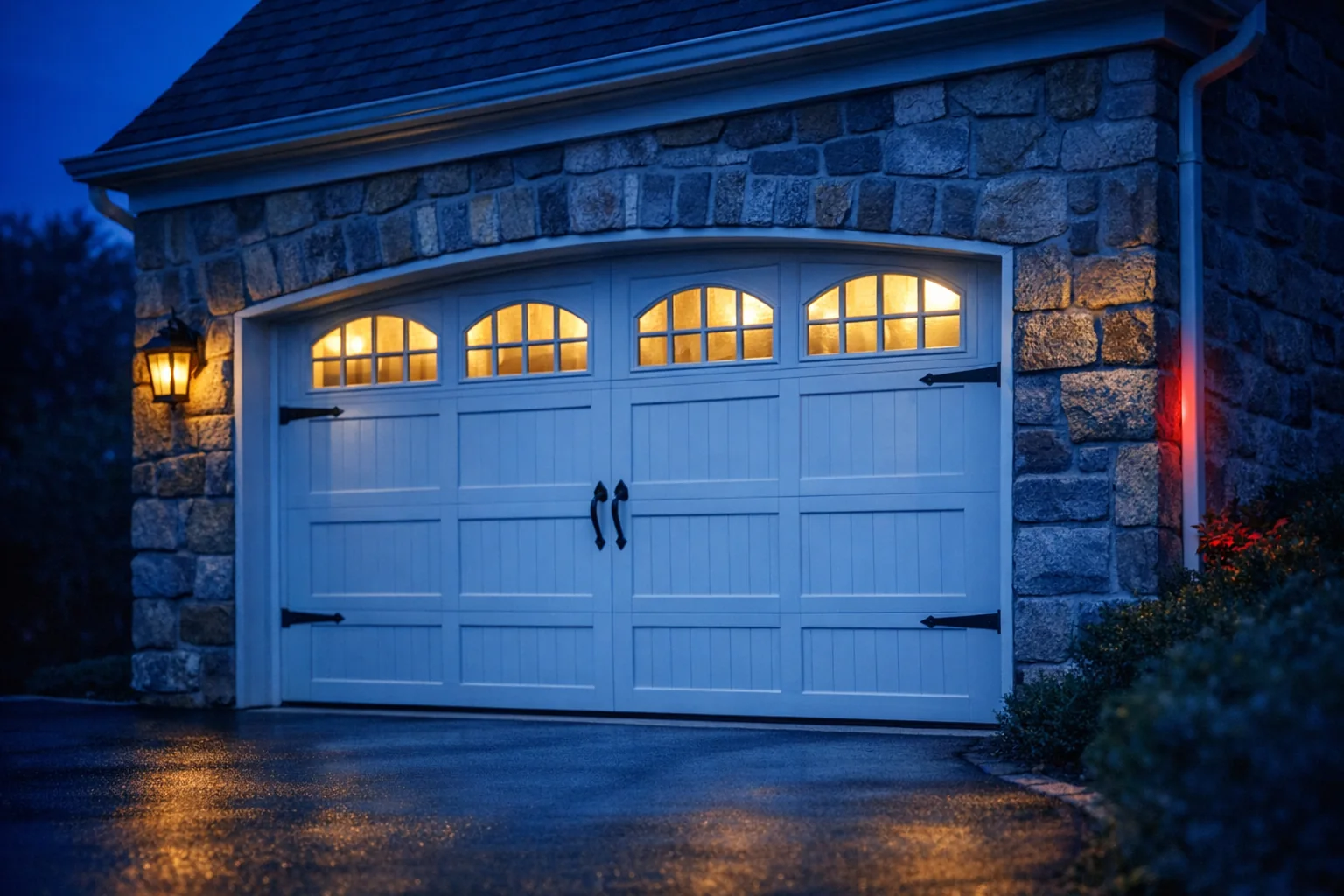
Glazing turns a dark garage into a usable one, and it is the design choice with the most visible effect. The tradeoffs are practical. Single pane acrylic inserts are light and inexpensive but give up heat in both directions. Insulated glass units cost more and weigh more. Placement matters as much as type: a row of windows on the top section throws light down the driveway and keeps most of it out of sight from the street, while a full view design trades privacy for daylight and is chosen deliberately, not by default.
The part nobody plans for: weight
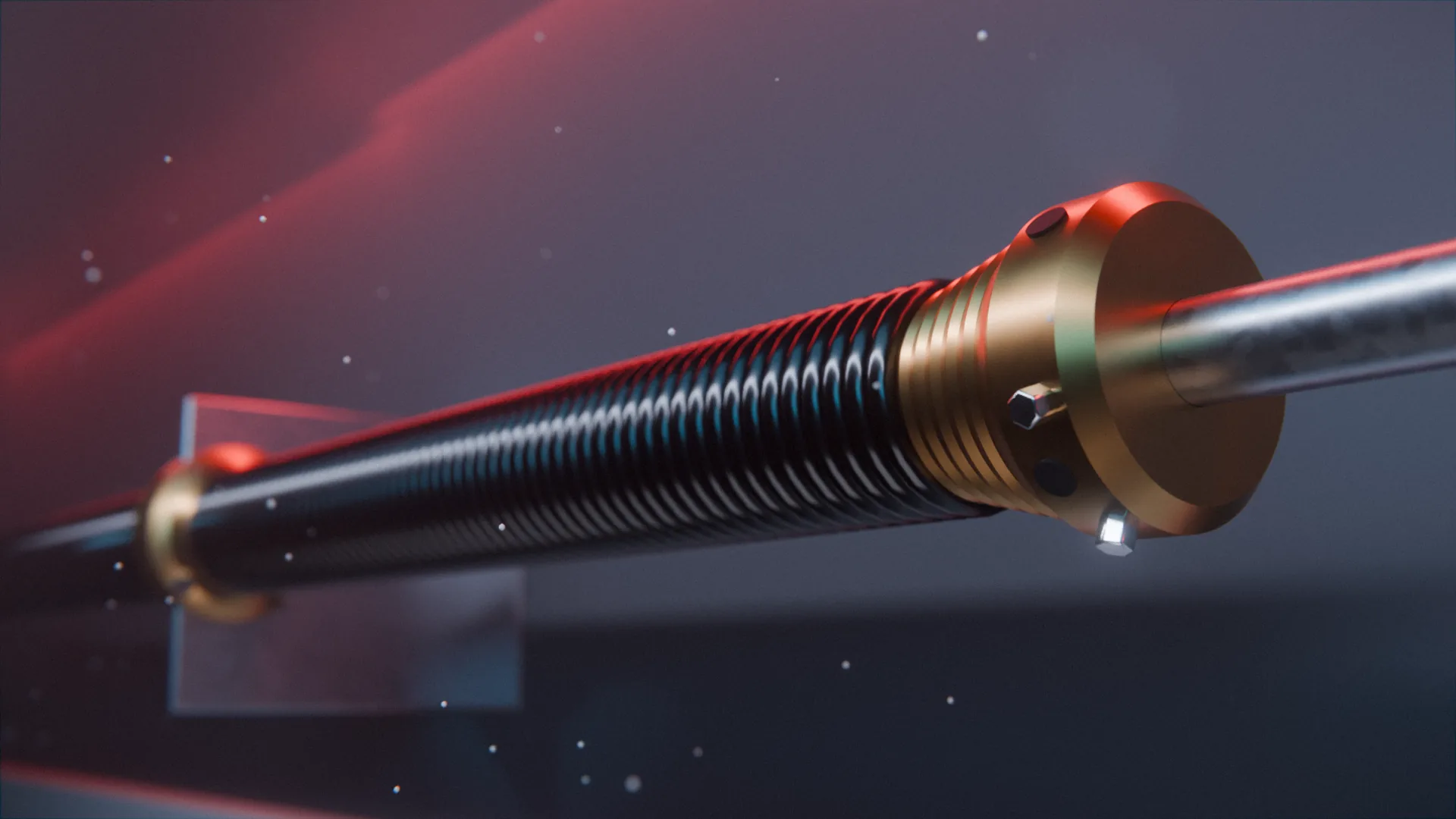
Every step up in construction adds weight, and the door's weight is what the springs are sized against. An insulated two inch door can outweigh the single skin door it replaces by a meaningful margin, which means the springs on an existing opener and track system are no longer matched to the door they are lifting. A correct installation recalculates the spring and installs the pair the new door needs. An incorrect one bolts a heavy door onto hardware sized for a light one and lets the opener pay for the difference, which shortens the opener's life and makes the door feel heavy in an outage.
That is also why a door choice and an opener choice belong in the same conversation. A heavier insulated door pairs well with a belt drive unit rated for it, and the battery backup requirement that applies to new opener installations in New Jersey is easiest to satisfy at the same visit.
When to call us
If the old door is at the end of its life, or the springs have sized it out of a repair, an installation visit starts with measuring and a clear set of options, then ends with the door, tracks, springs and opener set up as one system. All work is performed at your home or business across Bergen, Essex, Hudson, Middlesex, Morris, Passaic, Somerset and Union counties.
Frequently asked questions
Question 1: What R value should a garage door have?
For an attached garage, a mid range insulated door is the sensible floor, and the joint seals matter as much as the published panel number. For a detached garage, insulation is a comfort and noise choice rather than a necessity.
Question 2: Are insulated garage doors worth the extra cost?
Usually, if the garage is attached to the house or has living space over it, because the door borders conditioned rooms. If the garage is detached and used for cars and storage, a good single skin door can be the smarter spend.
Question 3: What does steel gauge mean on a garage door?
It is the thickness of the panel skin, and lower numbers are thicker. A 24 gauge skin is stiffer and more dent resistant than a 25 or 26 gauge skin, and it holds its shape better in daylight.
Question 4: Do garage door windows make the door weaker or colder?
Inserts replace a portion of the panel and slightly reduce its insulation, more with single pane acrylic than with insulated glass. Structurally, inserts designed for the door are framed in and are not a weak point in normal use.
Question 5: Can I put a heavy insulated door on my existing tracks and opener?
The tracks are usually reusable, but the springs must be resized for the new weight and the opener should be rated for it. Installing a heavier door on springs sized for the old one strains the opener and leaves the door heavy in a power cut.
Question 6: How long does a garage door installation take?
Most single door installations finish in a few hours: the old door and hardware come out, the new sections, tracks and springs go in, and the opener is set up and tested. Disposal of the old door is part of the visit.